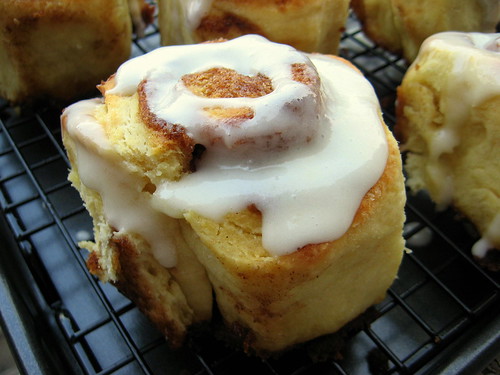
The ease of twisting open a canister of factory-made cinnamon rolls cannot be denied, but I promise you that these made-from-scratch buns are worth the extra time and effort. The texture both inside and out is perfectly springy and moist, while the cinnamon and sugar swirls have a hint of spicy cloves. Doused in a sweet and tangy cream cheese icing, these cinnamon rolls are nothing short of magnificent. As a bonus, your home will smell like a preservative-free Cinnabon shop for the rest of the day. Score!
For filling
- 3/4 cup packed dark brown sugar
- 1/4 cup granulated sugar
- 2 teaspoons ground cinnamon
- 1/8 teaspoon ground cloves
- 1/8 teaspoon salt
- 1 tablespoon unsalted butter, melted
For dough
- 2 1/2 cups unbleached all-purpose flour, plus more for dusting the work surface
- 2 tablespoons sugar
- 1 1/4 teaspoons baking powder
- 1/2 teaspoon baking soda
- 1/2 teaspoon salt
- 1 1/4 cups buttermilk
- 6 tablespoons unsalted butter, melted
For icing
- 3 tablespoons cream cheese, softened
- 3 tablespoons buttermilk
- 1 1/2 cups confectioners’ sugar
Make the buns
Adjust an oven rack to the middle position and heat the oven to 425°F. Generously coat both a 9-inch nonstick round cake pan and a wire cooling rack with nonstick cooking spray.
Melted butter is used in both the filling and the dough. Melt the total amount (7 tablespoons) all at once in a heatproof measuring cup, then use it as needed.
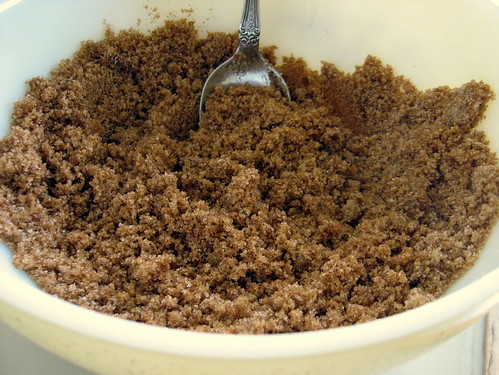
For the filling, combine the brown sugar, granulated sugar, cinnamon, cloves, salt, and the 1 tablespoon melted butter together in a medium bowl until the mixture resembles wet sand.
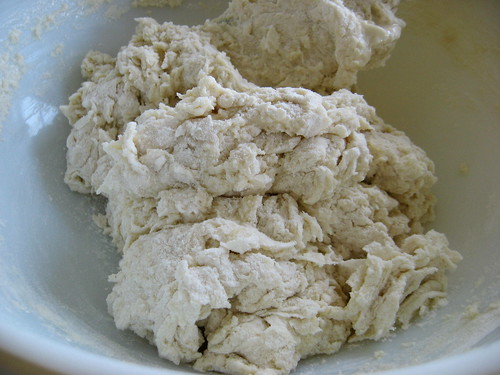
For the dough, whisk the flour, sugar, baking powder, baking soda, and salt together in a large bowl. Whisk the buttermilk and 2 tablespoons of the melted butter together. Stir the buttermilk mixture into the flour mixture with a wooden spoon until absorbed (the dough will look shaggy), about 30 seconds.
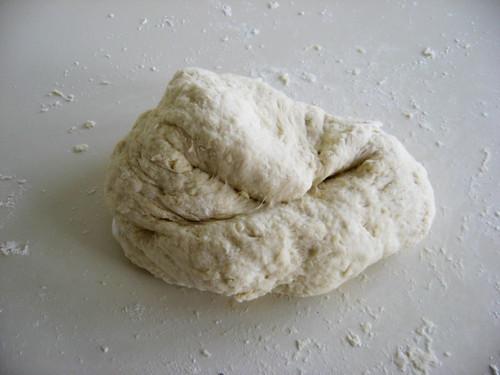
Turn the dough out onto a lightly floured work surface and knead until smooth, about 1 minute.
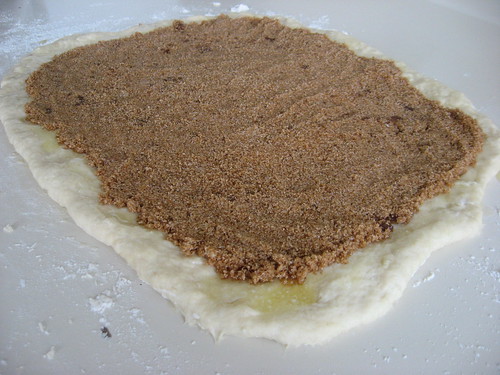
Pat the dough with your hands into a 12 by 9-inch rectangle. Brush the dough with 2 tablespoons melted butter. Sprinkle the dough evenly with the brown sugar filling, leaving a 1/2-inch border. Press the filling firmly into the dough.
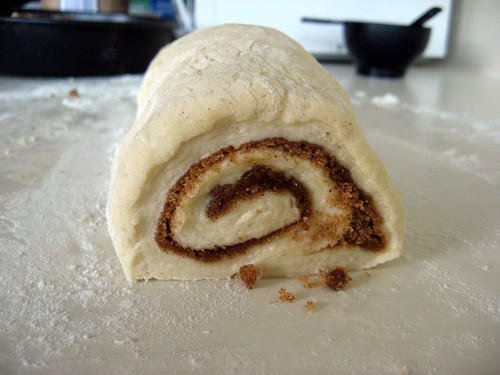
Using a bench scraper or metal spatula, loosen the dough from the work surface. Starting at a long side, roll the dough, pressing lightly, to form a tight log. Pinch the seam to seal. Roll the log seam-side down and cut it evenly into 8 pieces. Turn the pieces over on their flat sides, and with your hand, slightly flatten each piece of dough to seal the open edges and keep the filling in place.
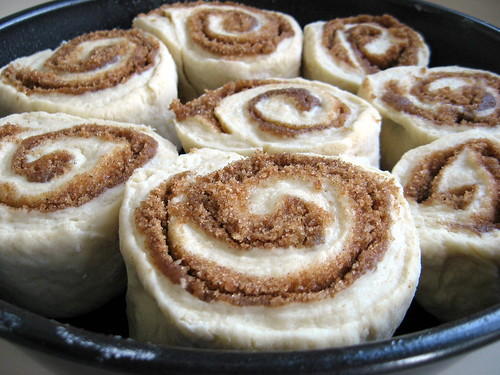
Place 1 roll in the center of the prepared pan and then place the remaining 7 rolls around the perimeter of the pan. Brush the rolls with the remaining 2 tablespoons butter.
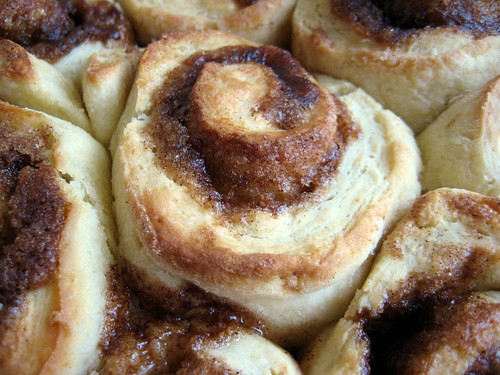
Bake until the edges are golden brown, 20 to 25 minutes.
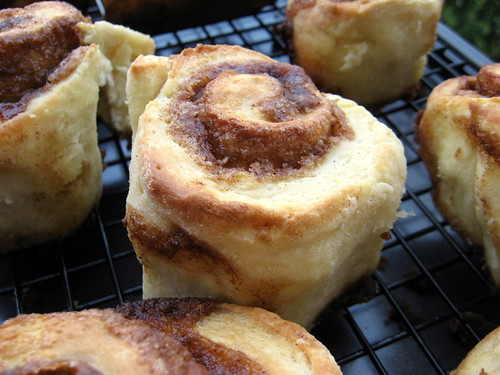
Use an offset metal spatula to loosen the buns from the pan. Wearing oven mitts, place a large plate over the pan and invert the buns onto the plate. Place the greased cooling rack over the plate and invert the buns onto the rack. Cool about 5 minutes before glazing.
Make icing and finish buns

While the buns are cooling, line a rimmed baking sheet with parchment paper (for easy cleanup); set the rack with the buns on the baking sheet. Whisk the cream cheese and buttermilk in a large bowl until thick and smooth (the mixture will look like cottage cheese at first). Sift the confectioners’ sugar over the mixture and whisk until a smooth glaze forms about 30 seconds. Spoon the glaze evenly over the buns; serve immediately.
Recipe from The America’s Test Kitchen Family Cookbook
[For Printable Recipe Click Here]

 About: In this engrossing look at the competitive cooking circuit, journalist Sutherland follows the trail of competitions and a small group of regular participants. These often fanatical competitors, complete with their own websites and chat rooms, square off against the amateur one-time-only contenders at local and national levels across the country. With a healthy dose of humor, Sutherland conveys the inside stories and nail-biting moments as the regulars face off. From developing recipes to matching serving wear to outfits, the bravado of the male players and the disasters and pitfalls that can ensue for both regular and amateur alike, this work takes a long, thorough look at this American phenomenon. From chili contests that are more like frat parties to the National Chicken and National Beef competitions, Sutherland crisscrosses the country and along the way conveys her growing enthusiasm for and fascination with why one recipe or dish wins and another loses. She intersperses winning recipes with the account of her own growing delight, which leads her to enter a competition herself. Doing for cookoffs what