January 3, 2007
Cuisine: Japanese, Sushi
7660 Fay Avenue, Ste. 1
La Jolla, CA 92037
Phone: 858-454-4540
Website: http://zenbusushi.com
—
Tuna Nigiri (left), Yellowtail Nigiri (middle), Cucumber and Seaweed Salad (right)

Toro with Octopus and Caviar

Hamachi, Crab, Avocado, Unagi


Volcano – baked lobster and avocado

Cucumber, Tuna, Crab, Poblano

Fried Plantains and Coconut Gelato with Bittersweet Chocolate
—
For my final dinner in San Diego, my mom took me to Zenbu in La Jolla. As I perused the extensive menu not knowing what to order, I was reminded of an article I read in the New York Times last summer. In a piece by Trevor Corson entitled “Sushi For Two,” he recommended a new approach to eating sushi in America:
I suggest that customers refuse to sit at a table or look at a menu. We should sit at the bar and ask the chef questions about everything — what he wants to make us and how we should eat it. We should agree to turn our backs on our American addictions to tuna (for starters, try mackerel), globs of fake wasabi (let the chef add the appropriate amount), gallons of soy sauce (let the chef season the sushi if it needs seasoning) and chopsticks (use your fingers so the chef can pack the sushi loosely, as he would in Japan). Diners will be amazed at how following these simple rules can make a sushi chef your friend, and take you on new adventures in taste.
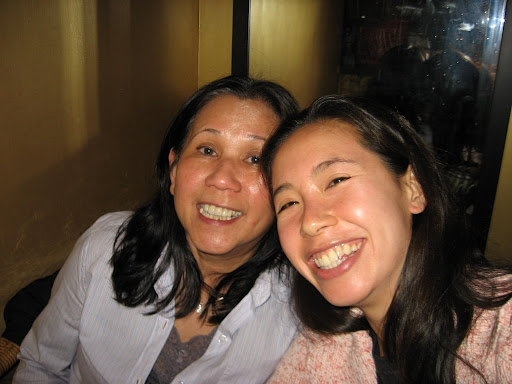
It was a little weird having a conversation with the chef right off the bat about how much we wanted to spend ($70 total) and our favorite fruits of the sea (toro, eel, lobster), but in the end, it was absolutely worth it. My mom and I conversed with our chef Lee throughout the meal about himself and the food, and in return, he took excellent care of us.
Lee started us off with two delicate cuts of tuna and yellowtail paired with a seaweed salad—my mother received sashimi (her request), while I received nigiri (my request). Eating sushi without chopsticks was really something different; the rice and fish felt so delicate between my fingers. The seaweed salad was light and refreshing.
The next course was my mom’s favorite. The toro was luxuriously buttery and melted in our mouths, while the octopus and caviar contrasted texturally to the fish. Just a smidge of soy sauce was all this piece needed to really come together.
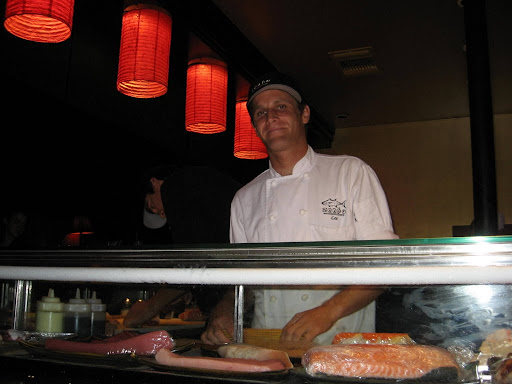
After a brief intermission, Lee brought out the first warm course of the evening. A roll comprised of panko-crusted, deep fried hamachi, crab, avocado and unagi served with a sweet sauce. The warm, crisp hamachi was a great substitute for traditional sushi rice, but dominated the unagi’s subtle flavor. The sweet sauce (the name escapes me!) was an essential part of the roll’s deliciousness.
The Volcano arrived next (see picture below for full “volcano” effect). Filled with huge chunks of fresh local lobster, a spicy sauce and a sliver of avocado, the entire roll was baked in the oven and served warm. The lobster’s flavor really shined through, and I especially liked how the rice dried out a bit in the oven.
Our last roll contained cucumber, tuna, crab and a Poblano chili pepper sauce. I loved everything about the roll minus the cucumber exterior, which was little slippery and too summer-y for this time of year.
We concluded our sushi feast with a very un-Japanese dessert that Lee recommended. A house specialty, the plantains were covered in caramelized sugar and served hot with coconut gelato and chocolate sauce. The difference in temperature between the two chief components really made the dessert special. The plantains were sweet, but not tooth achingly so like bananas tend to be. The gelato was icy, but served its purpose well enough.
Corson’s advice really made my sushi experience at Zenbu spectacular and I recommend that all sushi-lovers try this approach at some point.
Omakase forever.
(more…)